Why Every Small Business Needs Digital Marketing in 2026
If you’re running a small business and still treating digital marketing as optional, 2026 is the year that catches up with you. The way customers find, evaluate, and buy from local businesses has shifted again — and this time the shift is bigger than a new social platform or algorithm tweak. Here’s why digital marketing isn’t a “nice to have” anymore, and what to actually focus on.
1. Customers Are Searching Differently Now
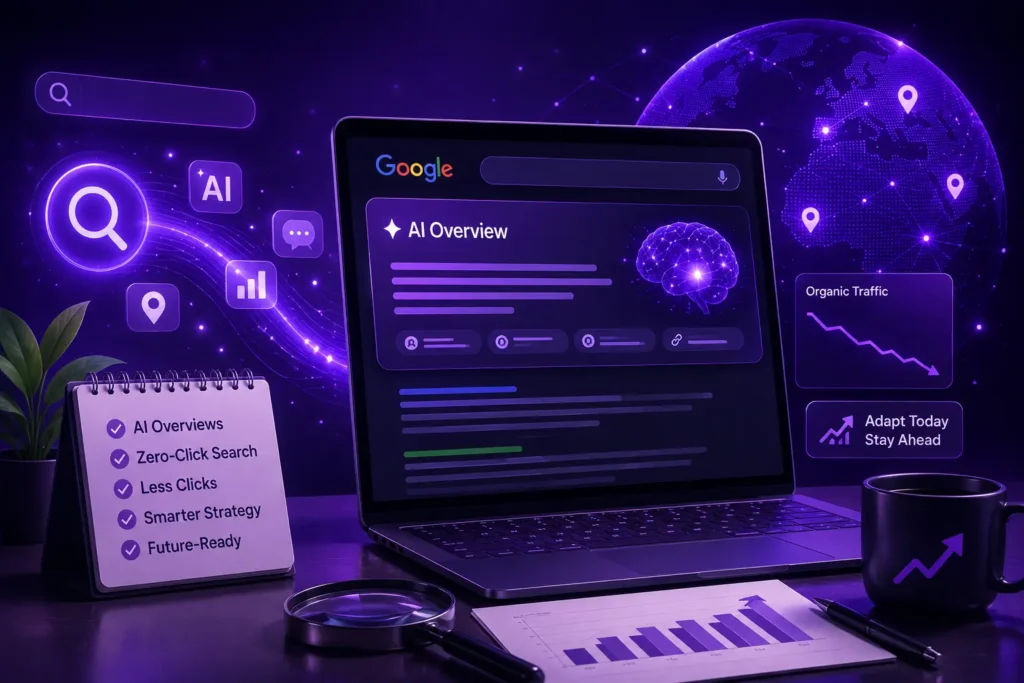
For years, “digital marketing” mostly meant showing up on Google’s page one. That’s no longer the whole picture. A growing share of customers now ask AI tools and chat-based assistants for recommendations directly, instead of scrolling through search results. If your business doesn’t have a clear, well-structured online presence, you simply don’t exist in that conversation.
This means small businesses need to think beyond keywords and start thinking about how AI systems read and summarize their website, reviews, and listings. Clear service descriptions, updated business information, and genuine customer reviews all feed into how — and whether — you get recommended.
2. AI Has Leveled the Playing Field
A few years ago, only larger companies had the budget for content teams, ad specialists, and analytics staff. That gap has narrowed considerably. AI tools now help small business owners draft social captions, repurpose a single video into a week of content, write first drafts of email campaigns, and identify which content is actually working — all without a big team.
This doesn’t mean marketing runs itself. The businesses winning right now use AI to handle the repetitive groundwork, then add their own voice, real stories, and judgment on top. Generic, obviously AI-written content gets scrolled past; content that sounds authentically like a real business builds trust.
3. Customers Expect Frictionless, Personal Experiences
Today’s customers compare you not just to the shop down the street, but to every fast, personalized, well-designed digital experience they’ve had recently — from any brand, in any industry. That’s the new bar. Faster responses, more relevant offers, and buying experiences with fewer clicks between “I want that” and “purchased” aren’t luxuries anymore; they’re expected.
Social commerce is a clear example: shoppable posts and in-app checkout on platforms like Instagram, TikTok, and Facebook keep growing because they remove friction. A small business that makes people leave an app, hunt for a contact form, and wait days for a reply is quietly losing sales to one that doesn’t.
4. Trust and Relevance Now Matter as Much as Visibility
Being seen used to be enough. In 2026, being seen and being trusted and being relevant to that specific customer’s need is the real competition. Reviews, authentic engagement, consistent branding, and a website that actually answers people’s questions all build the kind of trust that turns a visitor into a customer — and a customer into a repeat one.
This is actually good news for small businesses. Trust and authenticity are things a small, local, or specialized business can often deliver better than a large impersonal brand — but only if that trust is visible online, not just felt in person.
5. It's More Cost-Effective Than Ever
Digital marketing remains one of the most measurable, budget-flexible ways to grow. You can start small, track exactly what’s working, and scale up only the channels that deliver results — something traditional advertising never allowed. With AI-assisted tools lowering the time and cost of content creation, even a modest budget can produce a consistent, professional presence.
What This Means for Your Business
You don’t need to chase every new platform or trend. But ignoring digital marketing altogether in 2026 means:
- Being invisible to customers who now search using AI-powered tools
- Losing ground to competitors using AI to move faster and cheaper
- Failing to meet the personalized, frictionless experience customers expect
- Missing out on the trust-building that turns visibility into loyalty
The businesses that will do well this year aren’t necessarily the ones with the biggest budgets — they’re the ones who show up consistently, use the tools available to work smarter, and stay genuinely connected to their customers online.
Bottom line: Digital marketing in 2026 isn’t about doing more for the sake of it. It’s about being findable, trustworthy, and easy to do business with — wherever your customers happen to be looking.